
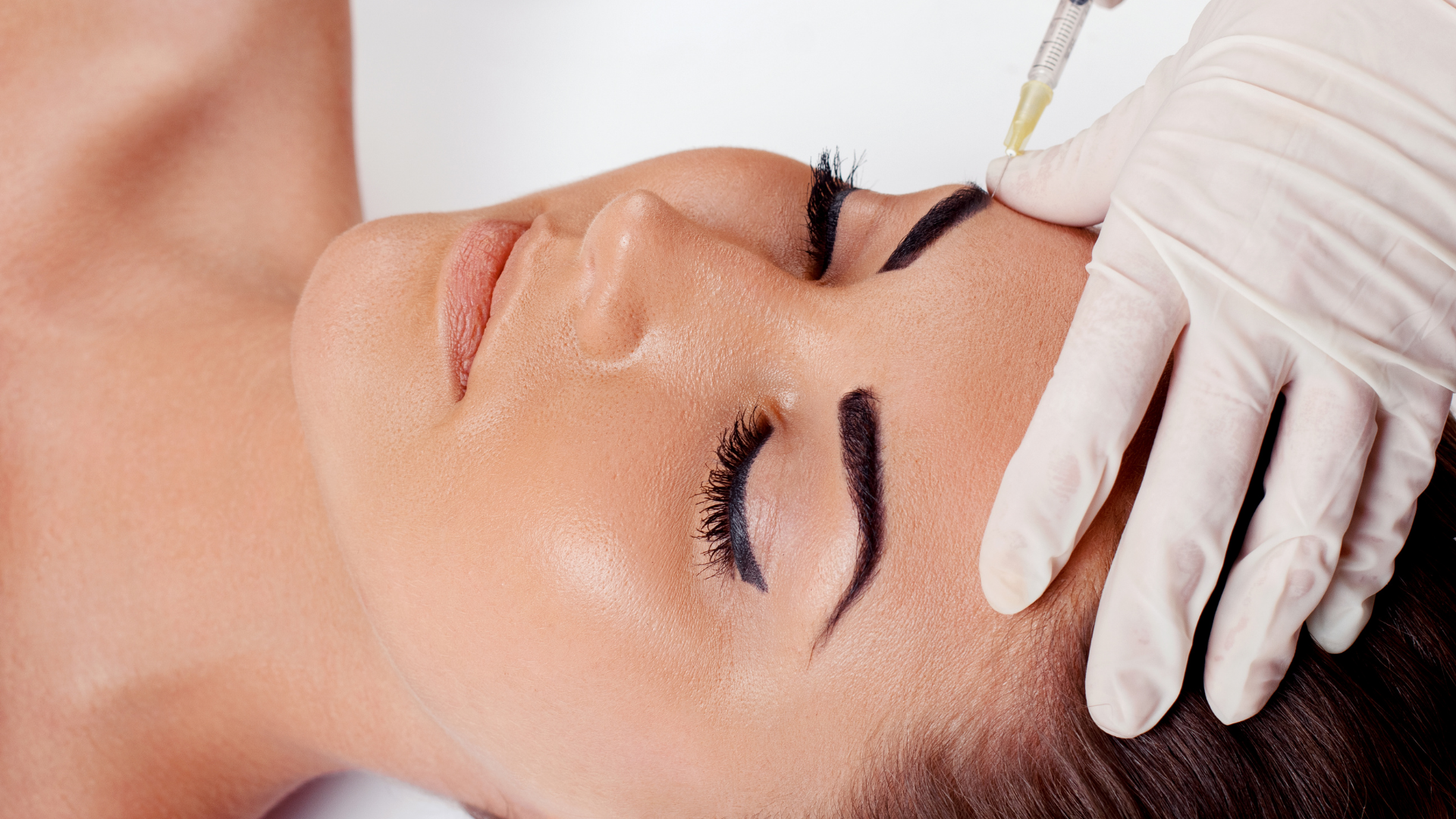
Facelift recovery is not a single, abrupt milestone. Rather, healing follows a sequential biological path: the first several days prioritize surgical safety, swelling control, and incision hygiene; the subsequent two to three weeks restore social presentability; and the subsequent six to twelve months involve gradual tissue softening, sensory return, and scar maturation.
Direct Clinical Answer
Most patients achieve light independence within 7 to 10 days, with bruising, swelling, and temporary tightness gradually dissipating over weeks 2 to 3. Social readiness typically arrives around day 14 to 21. Deeper tissue remodelling, complete resolution of micro-swelling, and sensory restoration continue across 6 to 12 months. Travel planning for international patients must align with clinical clearance rather than marketing timelines.
| Healing Stage | Typical Physical Experience | Clinical Milestone & Safety Action |
|---|---|---|
| 0–72 Hours | Peak swelling, bruising, tightness, numbness, and mild discomfort. Head dressings and drains may be in place. | Hospital observation; monitoring blood pressure; immediate review for acute unilateral swelling (hematoma risk). |
| Days 4–7 | Swelling begins to plateau; gentle ambulation encouraged; fatigue improves. | In-office wound review; drain removal (if present); early suture care; strict avoidance of bending or straining. |
| Weeks 2–3 | Bruising fades significantly (often easily concealed); social confidence returns. | Remaining sutures removed; medical clearance for return flights; gentle hair washing and light daily routines resumed. |
| Weeks 4–6 | Facial contours become sharply defined; residual firmness softens. | Progressive reintroduction of light cardiovascular exercise; non-contact sports clearance. |
| Months 2–3 | Tissue compliance increases; sensory reinnervation continues with tingling sensations. | Standardized progress photography; comparative assessment of midface and neck harmony. |
| Months 6–12 | Complete tissue softening; scars fade from pink to fine, pale anatomical lines. | Long-term surgical outcome evaluation; enduring structural rejuvenation established. |
The Critical 72 Hours: Safety and Swelling Management
The initial 48 to 72 hours after facial surgery are characterized by reactionary edema and bruising. This is a normal physiological response to surgical dissection and ligament release. Mild asymmetry in swelling is commonplace and does not forecast the final surgical outcome.
Patients rest with their head elevated at approximately 30 to 45 degrees to facilitate lymphatic drainage. Blood pressure is strictly controlled to minimize the risk of post-operative hematoma. Sudden, expanding, unilateral swelling or acute escalating pain is an indication for immediate surgical evaluation.
What to Expect During Post-Operative Healing
Facelift recovery follows a clear biological progression. In this short video, Dr. Melih Canlı details the sequence from early swelling management to social confidence and flight clearance for international patients.
- 0–72 hour swelling peak and head elevation protocols
- Days 8–10 suture removal and safe flight clearance
- Gradual tissue softening and sensory return across months
Weeks 2 to 3: The Social Recovery Threshold
By day 14, superficial bruising has generally migrated downwards toward the neck and yellowed, allowing comfortable social engagement or remote work. Most facial sutures have been painlessly removed by our team.
For international patients travelling to Istanbul, return flights are typically scheduled between post-operative days 8 and 10. This window ensures that initial wound healing is stable, post-operative examinations are complete, and aeromedical risks (such as barometric pressure-induced edema) are safely managed.
Months 3 to 12: Tissue Refinement and Scar Maturation
While patients look fully rejuvenated by month two, internal cellular healing continues for up to a year. Collagen remodeling gradually softens deep tissue firmness, and cutaneous sensory nerves regenerate, replacing areas of temporary numbness with normal sensation.
Plan Your Surgery & Travel Timeline with Dr. Melih Canlı
Contact our medical team with your prospective travel window. We will map out your exact surgical, hospital, and follow-up itinerary in Istanbul.
Frequently Asked Questions
Swelling typically peaks between post-operative hours 48 and 72 before gradually declining over the next two weeks.
Most desk-based or remote work can resume within 10 to 14 days. Public-facing commitments or formal social events are generally comfortable at 3 to 4 weeks.
International patients are usually cleared for travel between days 8 and 10 following a formal in-person check and suture removal.
Yes. Temporary sensory numbness is an anticipated part of deep fascial dissection and usually resolves over 3 to 9 months as microscopic nerve branches regenerate.